Before you say a word, before you scroll, before you step into a room —
your T-shirt has already spoken.
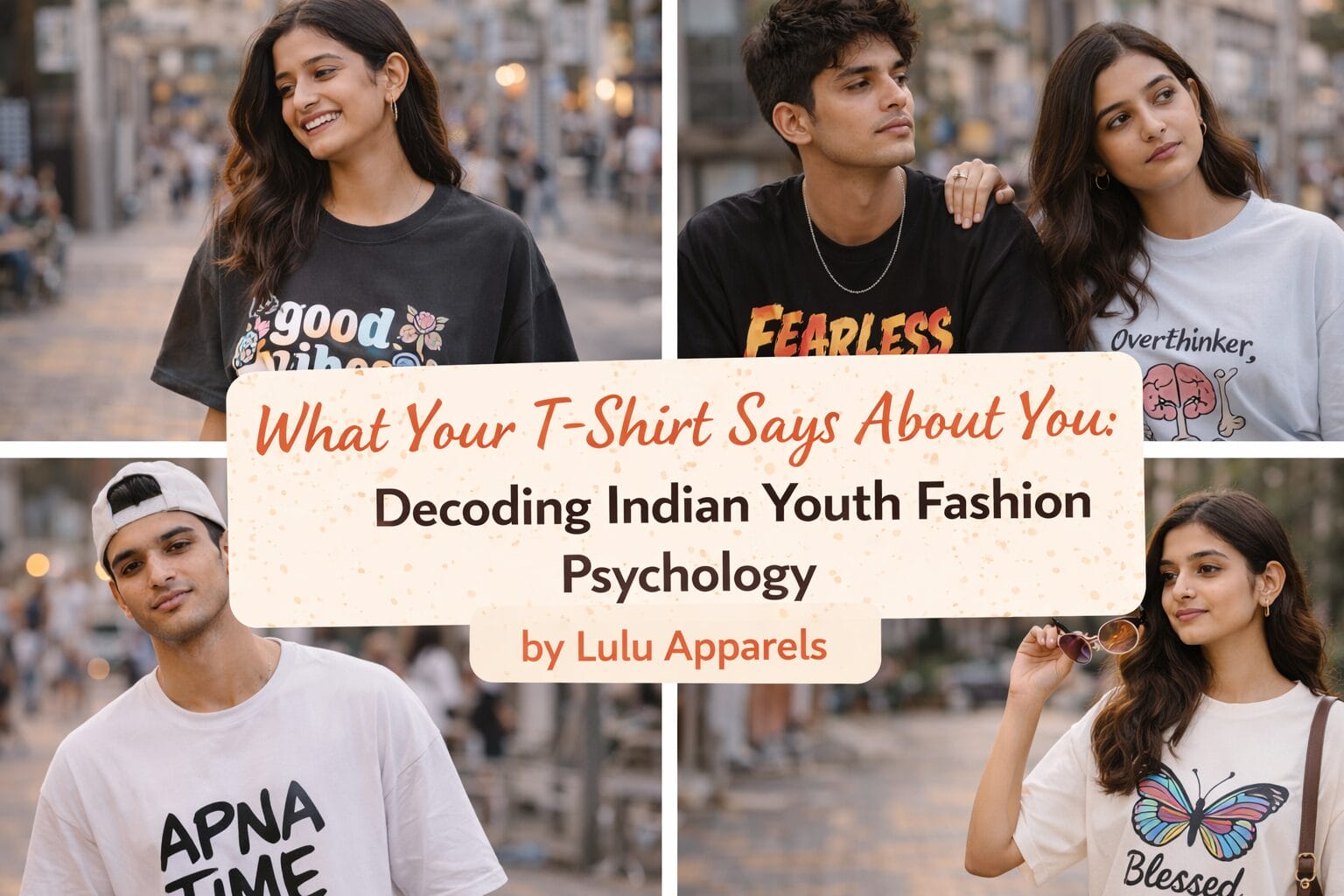
In 2025, Indian youth don’t wear T-shirts just for fashion. They wear them as signals — sometimes conscious, sometimes instinctive. A T-shirt today reflects mood, mindset, comfort level, confidence, and even emotional state.
It’s no longer just clothing.
It’s psychology — worn.
Let’s decode what Indian youth fashion is really saying, one T-shirt at a time.
Fashion Has Shifted From Approval to Alignment
Earlier generations often dressed for acceptance:
- To fit into social expectations
- To look “appropriate”
- To avoid standing out
Indian youth today dress for alignment.
They ask:
- “Does this feel right today?”
- “Does this reflect who I am right now?”
- “Am I comfortable being seen like this?”
That internal shift changed everything.
Fashion stopped being a performance and became a personal language — especially through T-shirts, the most intimate and everyday garment.
The Plain T-Shirt: Calm Confidence & Inner Stability
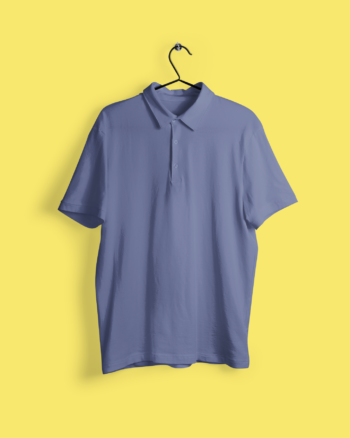
A plain T-shirt is often misunderstood as basic.
Psychologically, it’s anything but.
Indian youth who choose plain tees often signal:
- Emotional balance
- Low need for validation
- Comfort with silence
- Confidence without noise
Plain tees are chosen by people who don’t need constant explanation. They’re comfortable letting presence speak louder than print.
In a noisy world, minimal clothing reflects a calm mind.
This is why plain tees dominate everyday wear — they offer mental ease as much as physical comfort.

Graphic T-Shirts: Creativity, Mood & Visual Expression
Graphic tees are emotional snapshots.
They often reflect:
- Current mood
- Creative inclination
- Visual thinking
- Street-inspired confidence
Indian youth wearing graphic tees tend to communicate through imagery rather than words. The design becomes a mood board — abstract, artistic, or symbolic.
Psychologically, graphic tees signal:
- Expressiveness
- Openness
- Comfort with being seen
They’re chosen on days when the wearer wants the outfit to speak first.
Slogan Tees: Voice, Belief & Emotional Honesty
Slogan T-shirts are the most direct form of fashion psychology.
They often represent:
- Beliefs
- Humor
- Cultural pride
- Emotional states
But in 2025, Indian youth prefer soft intelligence over loud statements. The slogans that resonate are:
- Thoughtful, not aggressive
- Relatable, not preachy
- Timeless, not trend-chasing
Choosing a slogan tee means the wearer is ready to be understood — or at least, noticed.
It’s a form of emotional honesty.
Oversized Tees: Comfort, Safety & Personal Space
Oversized T-shirts go beyond style.
Psychologically, they offer:
- Physical ease
- Emotional protection
- Reduced self-consciousness
Indian youth often choose oversized fits during:
- Stressful periods
- Long days
- Travel
- Moments when comfort matters more than appearance
Oversized tees create a sense of personal space — a soft boundary between the wearer and the world.
They reflect a desire for peace over pressure.
Fit as a Psychological Choice
Fit says as much as design.
- Regular fit often signals structure, clarity, and routine
- Oversized fit often signals freedom, flexibility, and emotional ease
Indian youth don’t choose fit randomly. They choose based on how much control or relaxation they need that day.
Fashion becomes responsive — not rigid.
Color Choices & Emotional States
Even color plays a psychological role.
- Neutral colors often reflect calm and grounding
- Dark tones can reflect introspection or focus
- Soft colors signal ease and openness
Indian youth increasingly choose colors based on how they want to feel, not just how they want to look.
This emotional awareness marks a mature relationship with fashion.
Why T-Shirts Became the Psychological Canvas
T-shirts dominate youth fashion because they sit closest to the body.
They’re worn:
- For long hours
- In personal spaces
- In public moments
This intimacy makes them ideal for self-expression.
A T-shirt feels personal.
And personal choices often reveal inner truth.
Online Shopping Amplified Self-Awareness
Online shopping changed how Indian youth interact with fashion psychologically.
Digital platforms encourage:
- Slower decision-making
- Reading descriptions
- Checking fit guides
- Reflecting before buying
Instead of impulse shopping, youth increasingly shop with intent.
They don’t just buy a tee.
They choose how they want to feel wearing it.
That’s a psychological shift.
Fashion as Emotional Regulation
For many Indian youth, clothing plays a role in emotional regulation.
A comfortable T-shirt can:
- Reduce stress
- Improve mood
- Create familiarity
- Offer grounding
On difficult days, people often reach for their most comfortable tee — not their most stylish one.
That choice reveals how deeply clothing and emotion are connected.
What Indian Youth Fashion Tells Us About the Generation
Taken together, Indian youth T-shirt choices reveal a generation that values:
- Authenticity over approval
- Comfort over conformity
- Meaning over mimicry
They are emotionally aware, culturally rooted, and increasingly intentional.
Their fashion choices aren’t random.
They are reflective.
Why This Matters for the Future of Fashion
Understanding fashion psychology is not about judging style.
It’s about recognizing that clothing is:
- Communication
- Self-care
- Identity
Brands that understand this don’t sell trends — they support self-expression.
Indian youth don’t want to be told what to wear.
They want to be understood.
Final Thought
Your T-shirt speaks before you do.
It reflects how you feel, what you value, and how you move through the world.
Indian youth in 2025 aren’t dressing louder — they’re dressing truer.
And in that truth lies the real evolution of fashion —
from surface to soul.